Why sustainability matters in sport
Across the events world, sustainability has moved from a peripheral consideration to the centre of decision-making. Climate challenges are intensifying, legislation is becoming more stringent, and, crucially, consumers and audiences themselves have increasingly high expectations when it comes to the environmental impact of events they’re attending.
As a sector with global reach, influence and impact, sports organisations are particularly well placed to lead the way in positive change, influence consumer behaviour and normalise sustainable practices. However, the sheer scale of these organisations and their output can also make tangible impact hard to see.
According to the Sports Industry Report 2025, 56% of fans believe sport has a positive impact on the environment. But only 21% of professionals in the sector share that optimism: there is more to do and so much that can be done.
Nearly 90% of industry professionals and 70% of fans now agree that teams and leagues must do more to address environmental and social issues. The question is, where to begin?
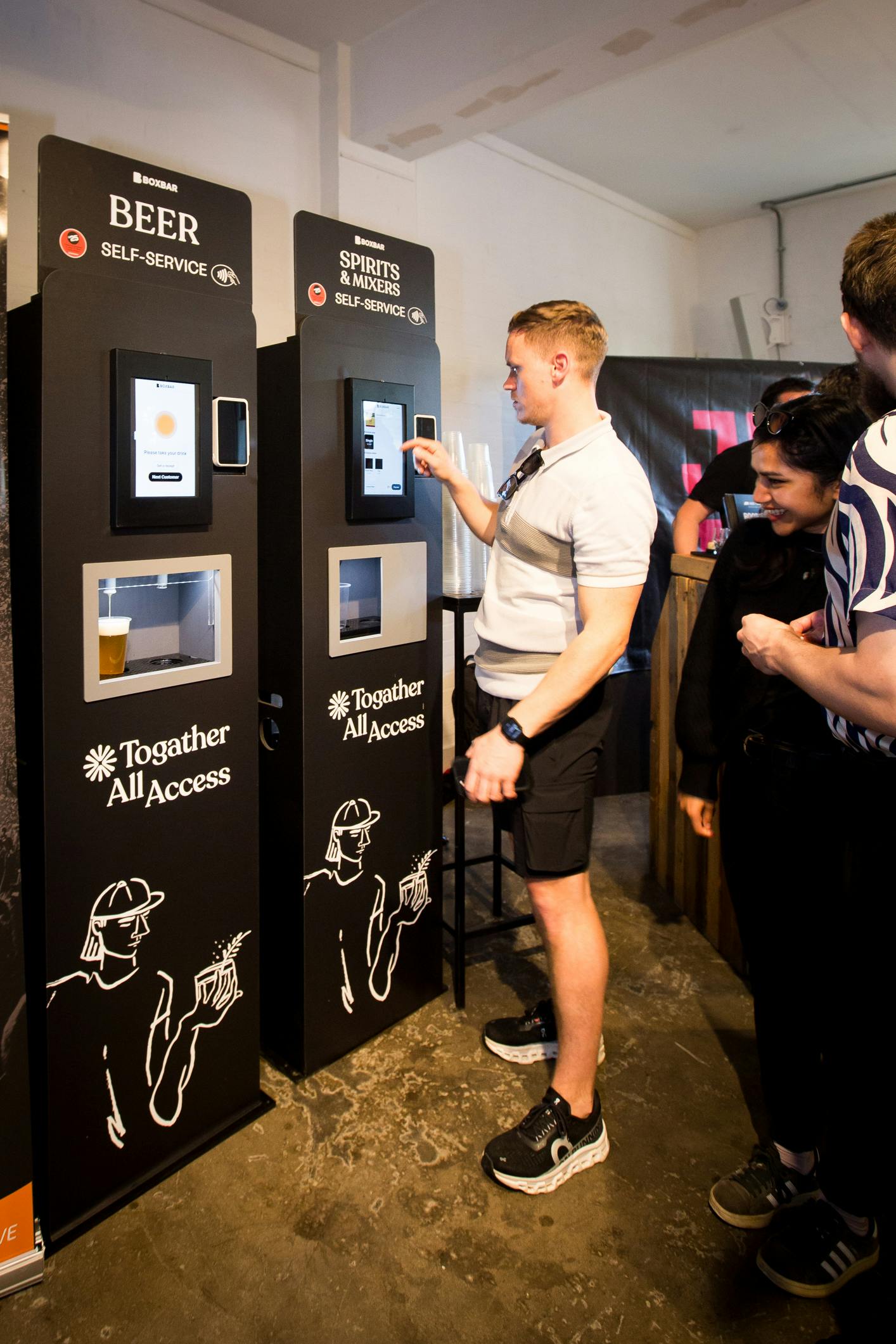
One place is with food and beverage. Your F&B offering will naturally include many of the key touchpoints involved in a sustainability policy, from food waste to water usage to community engagement and local supply chains, so it’s important that it’s integrated from the get go as a key aspect of your sustainability strategy.
State of play: why invest in sustainability
Today’s sports fans care about more than performance: they want to align with clubs and venues that reflect their values. Among fans aged 18 to 34, 87% said they would be willing to pay extra to support environmentally friendly initiatives. Investing in sustainability doesn’t necessarily mean cutting into your profit margin, and in fact can drive long term revenue gains: these younger fans can and will become diehards over the next few decades. Being able to reflect their values in tangible ways can reap rewards for years to come.
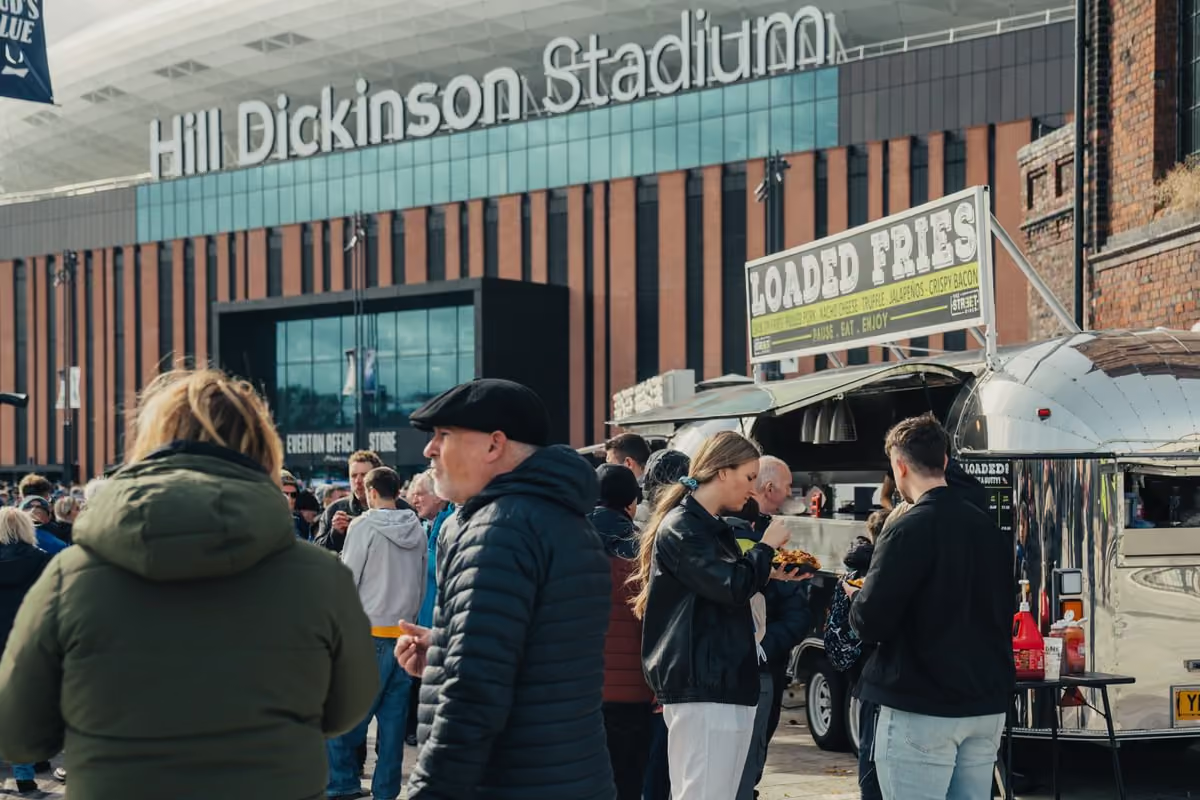
Similarly, the Sports Industry Report 2025 also found that 68% of fans view brands more favourably when they collaborate with sports organisations on initiatives that promote social change. Additionally, 65% appreciate visible efforts to reduce the environmental impact of sports events. This touches on an important point that we will cover later in this report: although robust policies behind the scenes are vital to your operations, it’s worth considering how your fans and event attendees visibly see and experience your sustainability strategy when they attend a match, game or even a fanzone event.
The same is true of employees. Those that prioritise Environmental, Social and Governance (ESG) strategies see wide-ranging benefits like improved organisational culture (82%), better staff attraction and retention (72%), stronger fan engagement (65%) and increased commercial revenue (62%).
And as for leaders in the space? Premier league clubs like Brentford and Tottenham Hotspur have secured a name for themselves as pioneers in the industry. Spurs in particular was the first club to sign the UN-backed Sports for Nature framework and has been a signatory of the UN Sports for Climate Action Framework since 2021. The team has pledged to halve its emissions by 2030 and reach net zero by 2040, with sustainability becoming a core part of their operational and brand identity.
Their policies are thoughtful, local and circular: for example, they source pork products from Wicks Manor Farm, located less than 50 miles from the stadium, and in turn, Wicks Manor uses some of the waste from the Tottenham Hotspur Stadium micro-brewery to feed their pigs. This is a perfect example of a sustainability initiative that is tangible to both employees, local community and fans, as well as its impact on the wider environment.
All in all, this shift in attitudes of both high-level organisations and grassroots fans presents a clear opportunity. When teams and sports brands take sustainability seriously, they can deepen fan loyalty, distinguish themselves in a competitive marketplace, and really set the tone for the rest of the industry.
Heading 1
Heading 2
Heading 3
Heading 4
Heading 5
Heading 6
Lorem ipsum dolor sit amet, consectetur adipiscing elit, sed do eiusmod tempor incididunt ut labore et dolore magna aliqua. Ut enim ad minim veniam, quis nostrud exercitation ullamco laboris nisi ut aliquip ex ea commodo consequat. Duis aute irure dolor in reprehenderit in voluptate velit esse cillum dolore eu fugiat nulla pariatur.
Block quote
Ordered list
- Item 1
- Item 2
- Item 3
Unordered list
Text link
Bold text
Emphasis
Superscript
Subscript