Packaging and waste
Packaging is often the first place event organisers start when tackling sustainability. Reusable and recyclable solutions are replacing single-use plastics, with most events and venues now having banned SUPs on site at all. This includes food trays, drink containers, and cutlery made from compostable or biodegradable materials.
Wimbledon is a great example of how thoughtful packaging solutions can drive change at sporting events. Since 2022, the tournament has operated a reusable cup scheme, offering fans a high-quality alternative to single-use drinkware. After purchase, fans are encouraged to return their cups to designated collection points, where they are washed and reused. This not only cuts down on landfill waste but reinforces Wimbledon's public image as a forward-thinking and responsible event.
Menu development and cultural inclusivity
Customers have increasingly discerning palates when it comes to quality and variety at sporting events - an exclusively pie-based offering will no longer cut it - but menu development is also key to ESG and sustainability considerations, from offering lower-carbon options to meeting the needs of all demographics.
UEFA highlights that nearly 40% of the global population does not consume pork due to religious or ethical reasons. At the same time, around 75 million people identify as vegetarian, with that number on the rise. And plant-based diets are particularly common among Millennials and Gen Z, who are more inclined to choose sustainable options based on their values.
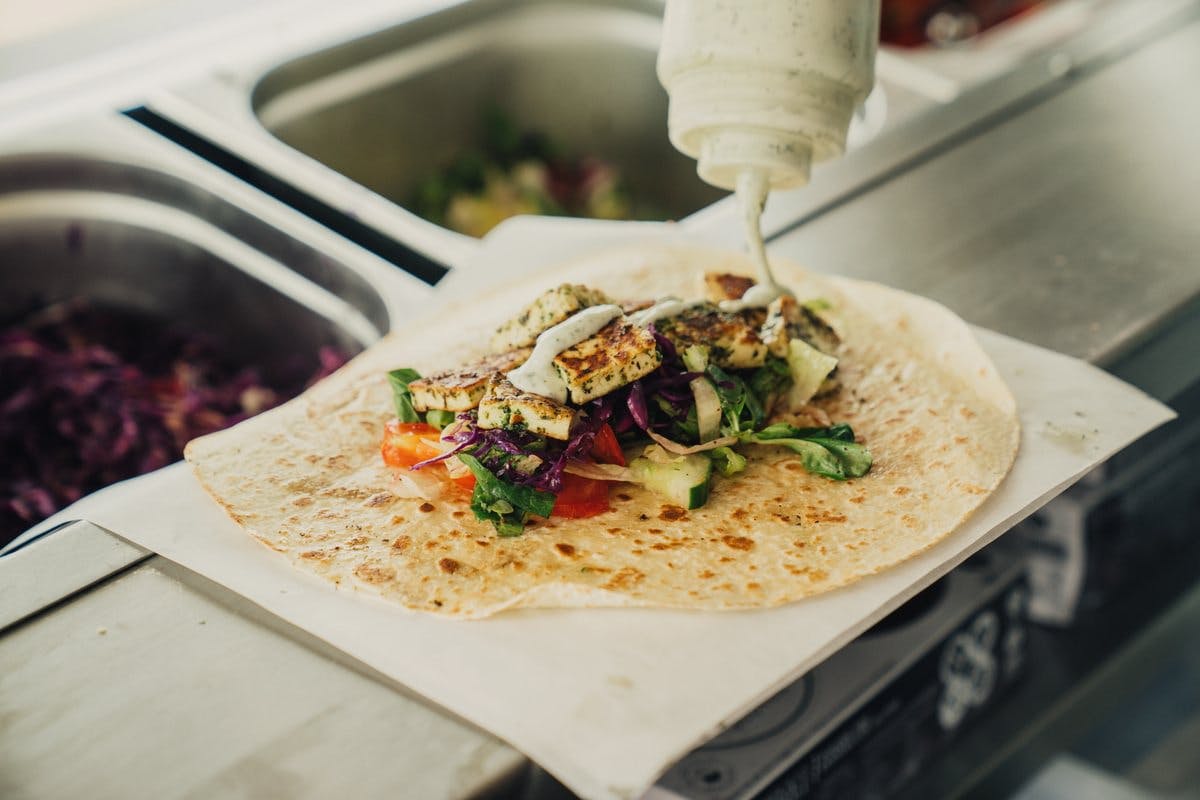
Offering a diverse, plant-forward menu allows venues to meet both environmental and cultural expectations, with a lower carbon footprint associated with plant-based dishes. In the world of concessions in particular, which has previously perhaps relied on one or two wholly vegan or plant based traders to “tick the box” in a lineup, we are seeing more and more street food operations develop their plant based offering alongside a meat or fish dish. At one recent Togather event, plant-based burgers even outsold their beef equivalent. Same quality, same satisfaction: less emissions.
Local sourcing and circular practices
Reducing transport distances is an effective puzzle piece in the wide scope of reducing food-related emissions, and, for sports teams in particular, taps into community engagement too.
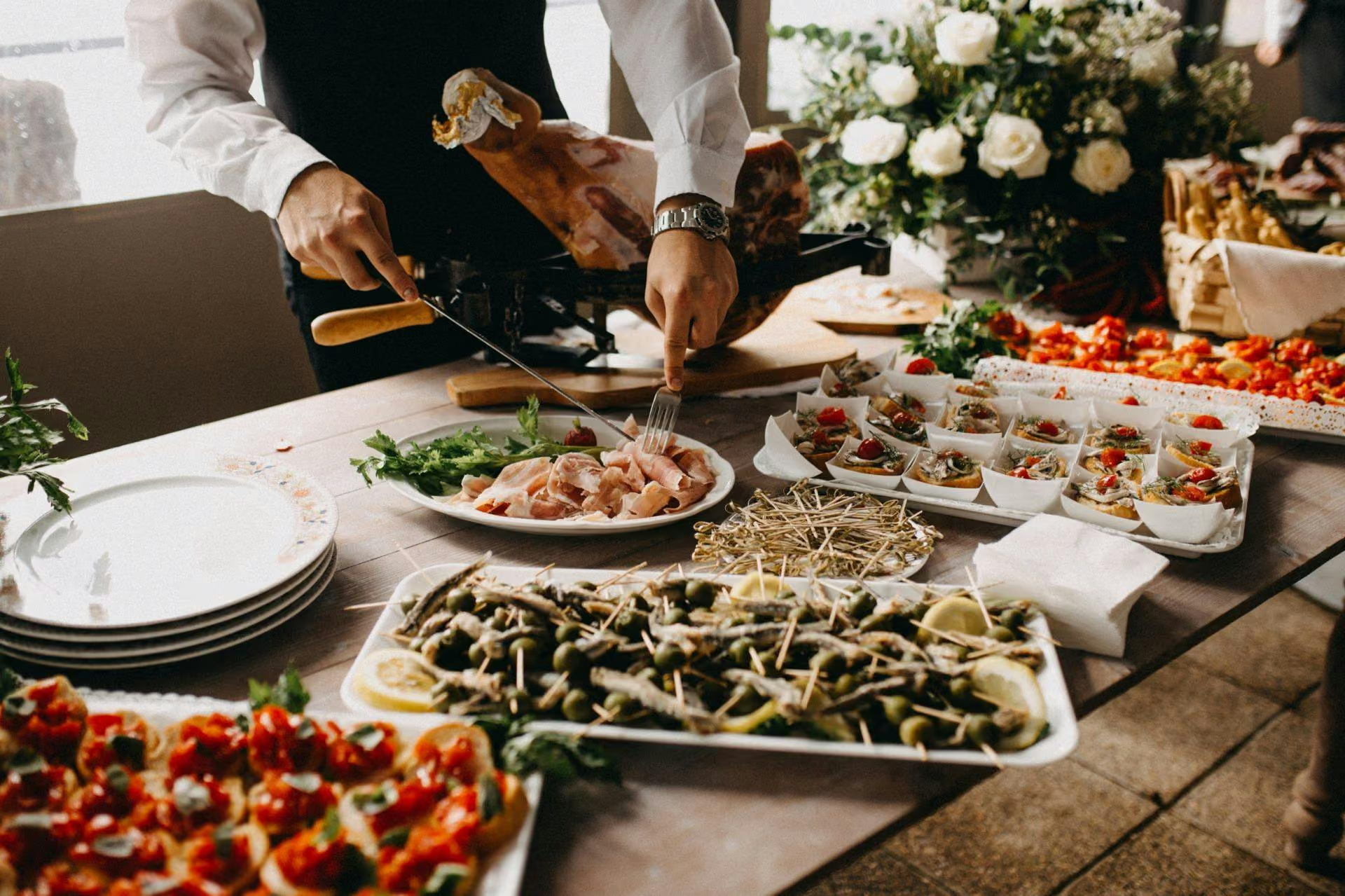
There are two ways we see this in action: the first is prioritising and enabling local supply chains. Direct partnerships with local producers, such as the above Tottenham Hotspur example, can be extremely effective here, but working with third party caterers that have strong sustainability credentials can streamline this process by giving you one point of contact to several local suppliers, whether that’s produce, meat, fish or flour.
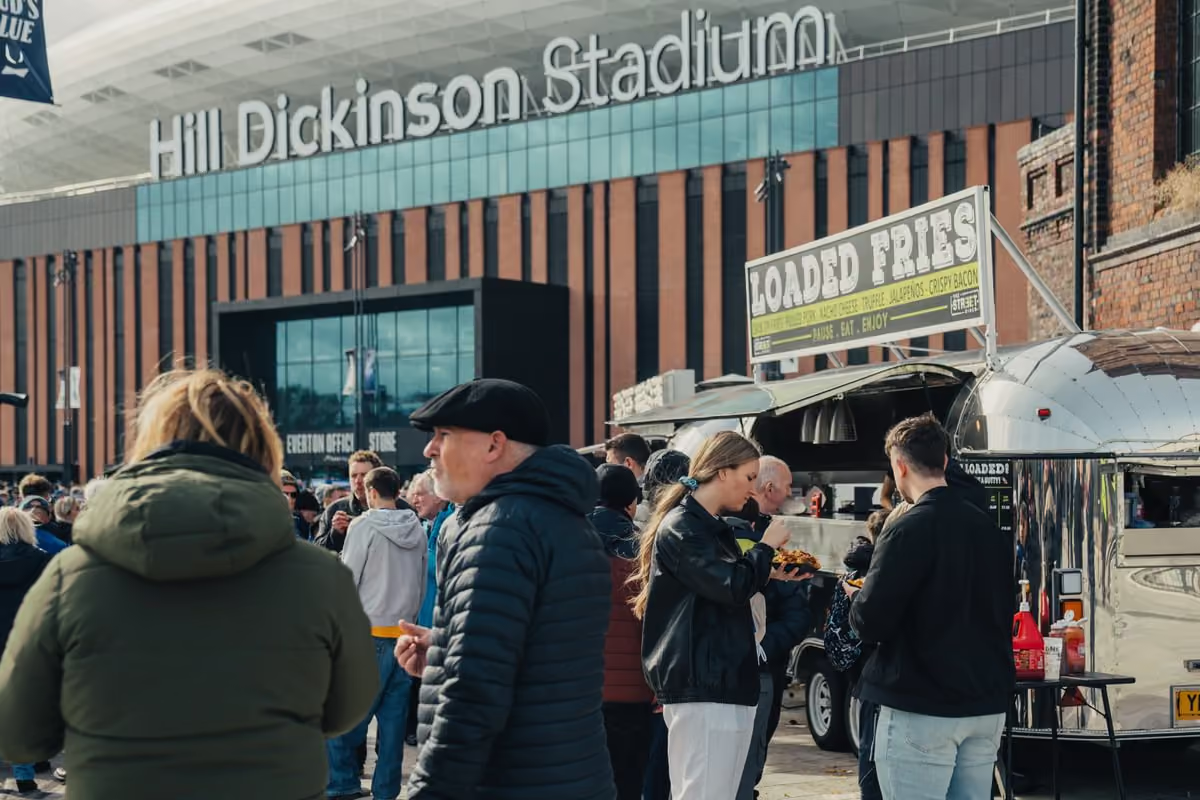
The second is boosting the local economy by working with local concessions operators and street food traders. For sports organisations in particular, local identity is key to their own brand - so working with and supporting local businesses has the dual benefit of resonating with your audience and reducing the emissions associated with cross-country travel. Community engagement is a large part of most team’s fan engagement strategy, and embedding yourself in the local food community in this way can tie several strategic strands together perfectly.
Heading 1
Heading 2
Heading 3
Heading 4
Heading 5
Heading 6
Lorem ipsum dolor sit amet, consectetur adipiscing elit, sed do eiusmod tempor incididunt ut labore et dolore magna aliqua. Ut enim ad minim veniam, quis nostrud exercitation ullamco laboris nisi ut aliquip ex ea commodo consequat. Duis aute irure dolor in reprehenderit in voluptate velit esse cillum dolore eu fugiat nulla pariatur.
Block quote
Ordered list
- Item 1
- Item 2
- Item 3
Unordered list
Text link
Bold text
Emphasis
Superscript
Subscript